Do protests change the world?
Why this question matters to International Cities of Peace?
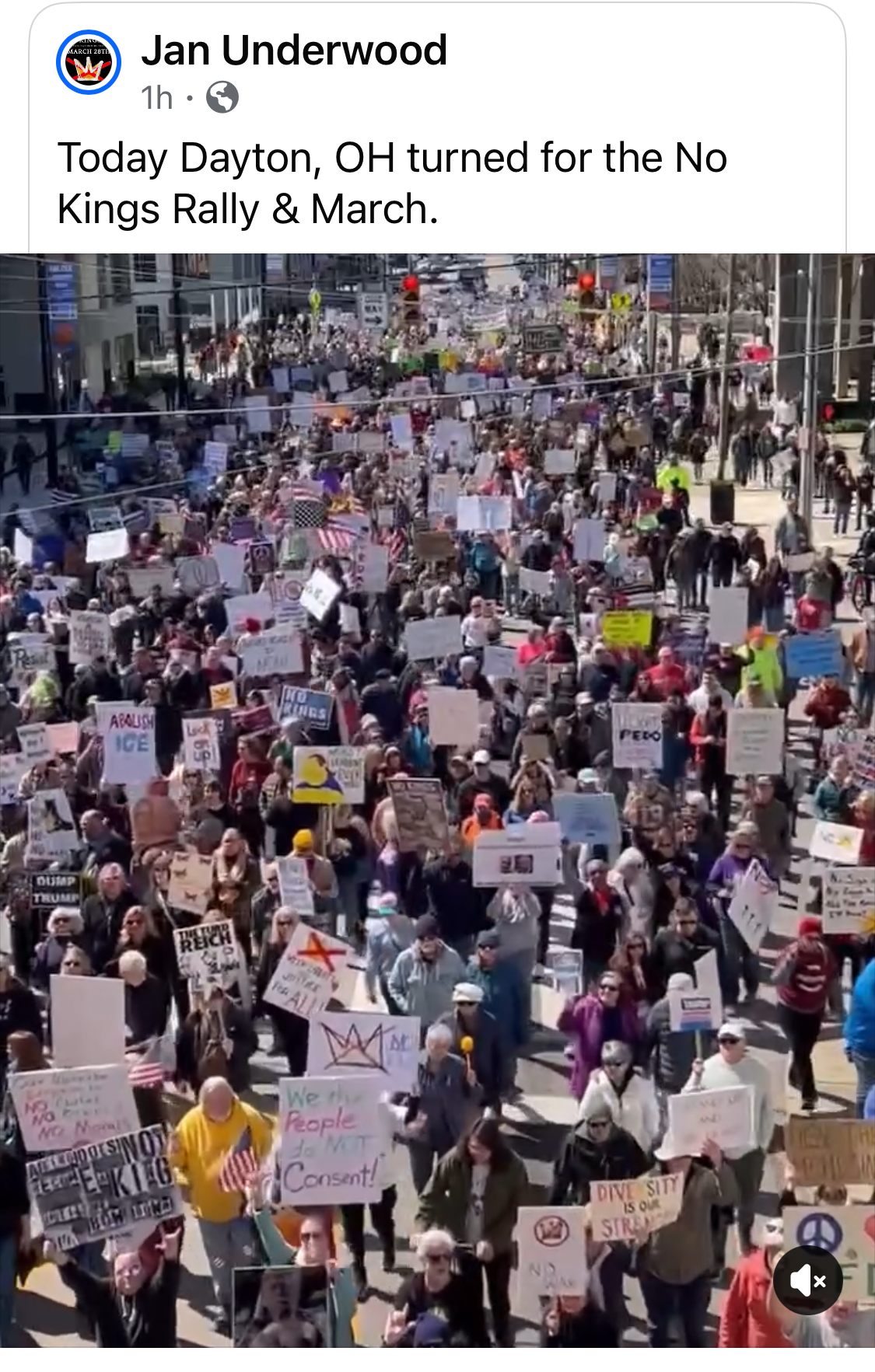
On this NO KINGS MARCH DAY, I quote Mr. Terry Anthony, Barrister & Solicitor of the Supreme Court of Nigeria, who has joined International Cities of Peace as volunteer Facilitator for legal matters. He writes, “Yes—but indirectly and conditionally. Protests work when they:
- Shift public consciousness (what people believe is acceptable or possible).
- Create moral pressure on power holders.
- Disrupt “business as usual” enough to force negotiation.
Examples: Civil rights protests led to voting rights act; Anti-colonial protests led to national independence; Labor protests created minimum wages and worker protections.
Protests don’t finish change—but they often ignite it.
Why this question matters to International Cities of Peace?
International Cities of Peace (ICOP) exists because:
- Protest without structure is fragile.
- Peace without local governance is abstract.
- ICOP answers the protest question by shifting the focus from:
- Momentary resistance to Permanent peace infrastructure.
- Change becomes real in cities
- Most protests happen in cities, but change lasts only when cities:
- Embed peace into education.
- Fund community mediation.
- Design inclusive urban policy.
- Normalize nonviolent conflict resolution.
ICOP works at the municipal level, where:
- People actually live.
- Conflicts actually happen.
- Peace can be practiced daily—not just demanded.
The deeper truth: Protests are questions. Institutions are answers.
International Cities of Peace matters because it helps turn the moral force of protest into:
- Lasting systems.
- Shared civic values
- Repeatable peace models across cultures.
So the real lesson is: Protests can change the world—but only when they grow roots.”
From Fred Arment: No Kings. Cities if Peace are the building blocks of Global Peace. When the Protest is done, the work begins. Engage.
www.InternationalCitiesofPeace.org